Modern Home Aesthetics: Simple Ways to Refresh Your Interior
Let’s be honest. Your home can start to feel like a favorite song you’ve played on repeat for a little too long. The melody is still good, but you crave a new beat. The thought of a full-scale renovation is exhausting and expensive. But what if you could change the entire tune of your space without moving a single wall?
Modern home aesthetics aren’t about chasing fleeting trends. They’re about capturing a feeling: clean, intentional, and effortlessly current. It’s the visual equivalent of a crisp white shirt and great jeans—timeless, but somehow always of the moment. The good news? Refreshing your interior with a modern sensibility is less about what you buy and more about how you see. Here are simple, powerful ways to hit the refresh button on your home.
The Modern Refresh Mindset: Edit, Elevate, Connect
Before you spend a dime, adopt this mindset. Modern aesthetics value quality over quantity, space over stuff, and connection over clutter. Your goal isn’t to fill empty corners, but to create a sense of intentional calm. Think of it as a thoughtful edit of your living space.
Ready to see your home with new eyes? Let’s begin.
1. The “Clear Surfaces” Challenge
This is your single most effective zero-cost move. Modern spaces breathe.
- The Action: For one week, commit to clearing every major surface at the end of each day: kitchen counters, coffee tables, dining tables, bedside tables.
- The Why: It instantly creates visual calm and highlights the beauty of your furniture itself. It forces you to consider what truly deserves a permanent spot. That pile of mail? Gone. The random collection of remote controls? Contained in a simple tray.
- The Modern Twist: Allow one to three intentional objects to remain: a sculptural vase, a single stack of beautiful books, a solitary candle. This is curation.
2. The Lighting Layer Reboot
Modern design has a deep, sophisticated relationship with light. It’s never just one source.
- The Action: Audit your room’s lighting. If you only have an overhead light, you have homework. Create a triangle of light.
- The How: Place three light sources at different heights in a triangular formation in your main seating area. Example: A floor lamp in one corner (high), a table lamp on a side table (medium), and a small LED candle or puck light on a shelf (low). Ditch cool white bulbs; use only warm white (2700K) for ambiance.
- The Modern Twist: Swap outdated lampshades for simple, neutral drum shades. Look for lamps with clean lines—think matte black, brushed brass, or simple ceramic bases.
3. The Art of the Unexpected Vignette
Forget symmetrical, matching sets. Modern styling is about asymmetric, personal collections.
- The Action: Choose one shelf, console table, or mantel. Remove everything.
- The How: Style it using the rule of threes and varying heights. Combine objects in odd numbers. Example: A tall, vertical piece of art leaned against the wall, a medium-height sculptural object (a unique vase or a geode), and a small, low stack of books with a small object on top. Mix materials: ceramic, wood, metal, stone.
- The Modern Twist: Include something organic and unexpected: a piece of driftwood, a fossil, a single, dramatic branch in a vase. It breaks the expected and adds soul.
4. The Textural Takedown (And Rebuild)
Modern doesn’t mean cold. It means tactility is deliberate, not accidental.
- The Action: Run your hands over every soft surface in your main living area. Does it feel flat, synthetic, or scratchy?
- The How: Introduce three distinct, natural textures. Replace a polyester throw with a chunky wool or knit cotton one. Swap a flat weave pillow for one in bouclé, linen, or buttery-soft leather. Add a natural fiber rug (jute, sisal) or a sheepskin toss.
- The Modern Twist: Keep the color palette neutral (cream, grey, oatmeal, black) so the texture is the star. This builds warmth and depth without color chaos.
5. The Strategic Color Injection
Modern color is used like punctuation, not prose.
- The Action: Identify your room’s dominant neutral (likely white, grey, beige, or black). Now, choose one single accent color. Not two. One.
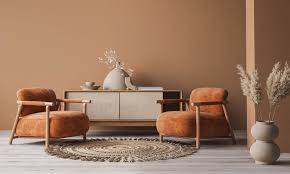
- The How: Inject this color in three small, removable places. Examples: A pair of throw pillows in terracotta. A single piece of art with bold cobalt blue. Books grouped by color on a shelf. A small side table painted in sage green.
- The Modern Twist: Choose a sophisticated, earthy, or muted tone rather than a primary bright. Think ochre instead of lemon yellow, forest green instead of lime, burnt sienna instead of fire-engine red.
6. The “Floating” Furniture illusion
Heavy, pushed-against-the-wall furniture can make a room feel stagnant.
- The Action: In your living room, try pulling your key furniture pieces away from the walls.
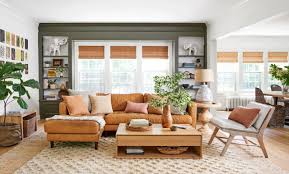
- The How: Float your sofa in the room, with its back to a defined space (like a console table behind it). Place a rug underneath that anchors the floating furniture group. This creates intentional pathways and makes the space feel more dynamic and designed.
- The Modern Twist: Use this opportunity to create a “room within a room.” A floating sofa and chairs can define the conversation area, separate from a reading nook or workspace in the same room.
7. The Hardware & Fixture Refresh
This is the “jewelry” of your home. Dated hardware drags everything down.
- The Action: Update cabinet pulls, door handles, and switch plates.
- The How: In the kitchen, swap out ornate knobs for simple bar pulls in matte black or brushed brass. Change out old, yellowing light switch covers for clean, screwless models. In the bathroom, update the towel bar and toilet paper holder to match the new faucet finish.
- The Modern Twist: Stick to one or two finishes throughout the home for cohesion. Mixing metals is an advanced move; keeping it simple (e.g., all matte black) is effortlessly modern.
The Final, Most Important Step: The Plant Pulse
No modern refresh is complete without life. Plants are the non-negotiable final layer.
- The Action: Add one statement plant and two smaller ones.
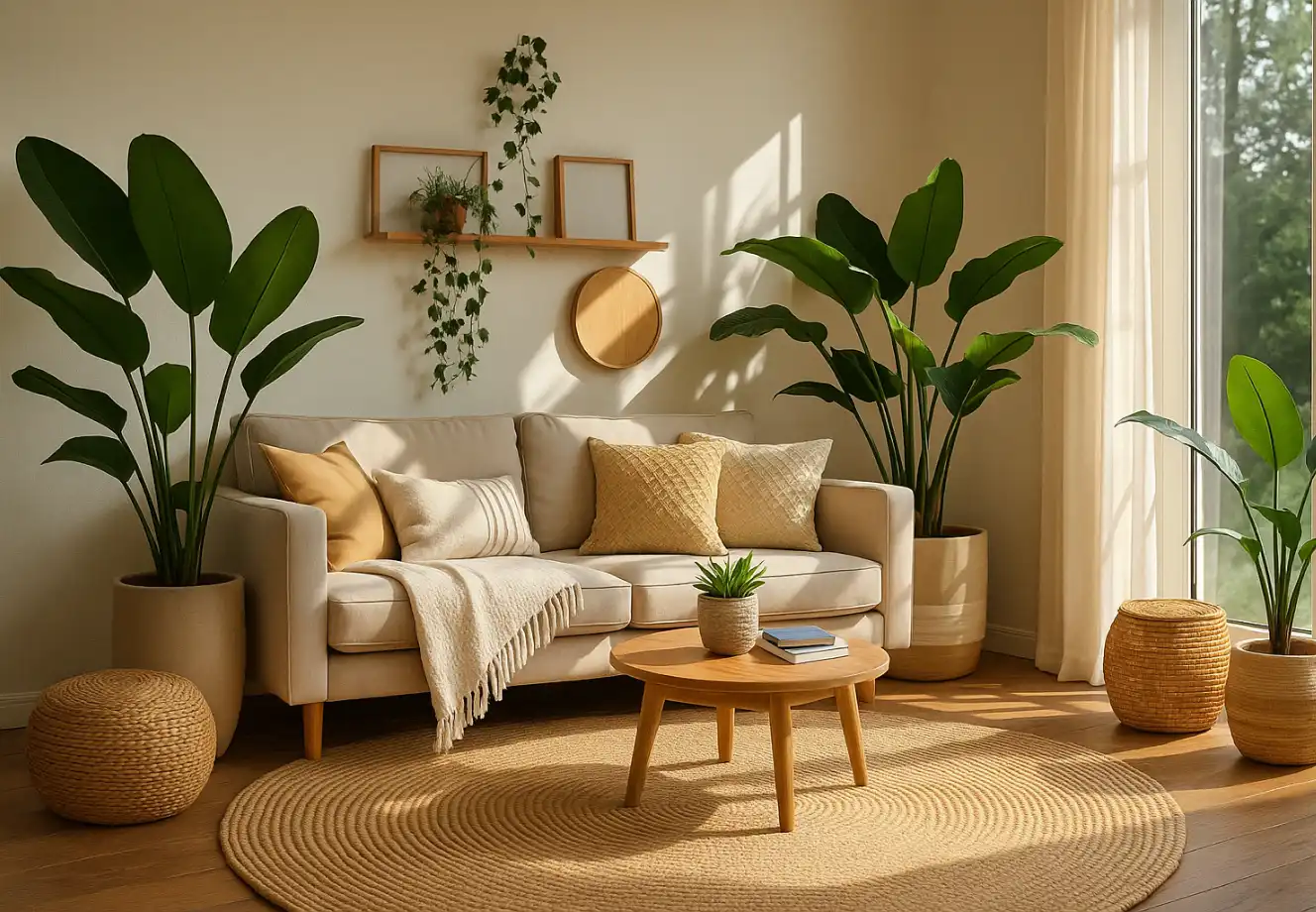
- The How: Choose a large, architectural plant for a bare corner (a Fiddle Leaf Fig, a Bird of Paradise). Add medium plants in simple, neutral pots (a Snake Plant on a side table, a ZZ plant on a shelf). Their organic shapes contrast beautifully with clean lines and add vital energy.
Conclusion: Evolution, Not Revolution
Modernizing your space is an exercise in thoughtful evolution. It’s not about throwing out everything you own. It’s about editing the unnecessary, elevating the ordinary, and curating with intention.
Start with one tactic this weekend—the Clear Surfaces Challenge or the Lighting Reboot. Feel the shift in energy. Then layer in another. Before you know it, your home will feel like a newer, calmer, more current version of itself—a sanctuary that’s been thoughtfully refreshed, not recklessly redone. The modern aesthetic isn’t a look you buy; it’s a feeling you cultivate.
FAQs
1. My home is full of traditional wood furniture (dark, ornate). Can I still make it feel modern?
Absolutely. This is where contrast creates magic. The warmth of traditional wood is a great asset. Modernize around it. Paint your walls a crisp, light neutral (white or light grey). Use modern, textured textiles (linen, wool) in solid colors on sofas and chairs. Replace busy traditional rugs with a solid-colored or simple geometric rug. The dark wood will become a beautiful, anchoring contrast rather than the dominant old-fashioned voice.
2. I love color! Does modern always mean neutral?
Not at all. The key is intentionality. A modern colorful space uses color in bold, blocky, or monochromatic ways. Think “color drenching”—painting walls, trim, and ceiling the same rich, saturated color. Or, using one color family throughout (e.g., all shades of blue and green). The clutter-free, clean-lined principles remain; the palette just becomes more dramatic.
3. What’s the biggest mistake that makes a home feel “dated” instead of “modern”?
Cluttered, small-patterned busyness. A room with a floral sofa, a patterned rug, checkered pillows, and lots of small tchotchkes feels instantly dated. The modern antidote is to scale up and simplify. Choose larger-scale patterns (or none), solid colors, and fewer, larger decor objects. Edit visual noise relentlessly.
4. How can I make my bedroom feel modern with minimal effort?
Focus on the bedscape.
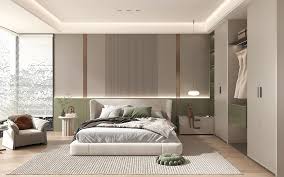
- Get a simple, upholstered headboard or hang a large piece of textural art above the bed.
- Use a duvet cover with a crisp, solid color (white, grey, navy) and layer with a textured blanket at the foot of the bed.
- Lose the small, mismatched nightstands. Use a pair of simple, matching tables or even floating shelves.
- Install two wall-mounted swing-arm sconces above the nightstands. This clears the surface and is inherently modern.
5. Is modern aesthetic child/pet-friendly?
Yes, if you choose materials wisely. Performance is key. Opt for performance fabrics (Crypton, velvet, tightly woven cottons) that resist stains. Choose leather (which wipes clean) or dark, patterned rugs that hide spills. Use indoor/outdoor rugs that are virtually indestructible. The modern principle of “less clutter” is also a safety and sanity win—fewer knick-knacks to pull down. It’s about creating a calm, durable backdrop for life to happen.